How Can Holistic Menopause Treatment Bring Real Relief From Symptoms?
Treat menopause as a whole-body transition rather than a single symptom. Holistic menopause treatment combines medical options such as HRT (Hormone Replacement Therapy) where suitable, structured talking therapies, and targeted lifestyle change, built around your symptoms, your health picture, and your preferences, with a clinician guiding the choices.
Menopause is one of the most under-supported transitions in health. The symptoms are real, the advice is noisy, and too many women are left choosing between two extremes: hormones or nothing. The truth sits in a far more interesting place, and some of the strongest evidence behind it may surprise you.
This article walks through the types of treatment the research genuinely supports, what it does not, and how the pieces fit into one plan.
What are the symptoms of menopause and perimenopause?
The common menopause symptoms include:
- night sweats
- sleep problems
- mood changes
- low mood and anxiety
- brain fog, joint aches
- vaginal dryness, and
- urinary symptoms.
Perimenopause, the time leading up to menopause, often brings the same symptoms while periods continue.
Menopause is a natural stage of life, reached when periods have stopped for twelve months, and most women reach menopause between 45 and 55; each of us will experience menopause in our own way.
Doctors usually diagnose menopause from your age and symptoms rather than tests. But natural does not mean easy, and no two women go through menopause the same way.
Some sail through. Others find menopause can affect work, relationships, sleep, and confidence for years.
A smaller group faces premature menopause, and menopause can happen earlier for medical reasons too, such as surgery or cancer treatment, which deserves specialist support in its own right. Our guide to menopause before the age of 45 explains what an early menopause means for long-term health, and how treatment protects the heart and bones.
The scale of the gap between symptoms and support is striking.
In a UK survey by Imperial College London researchers, published in BMC Women’s Health in 2023, respondents reported experiencing an average of 10.7 menopausal symptoms, yet only 47% felt they had the knowledge and tools to manage them.
Nearly eleven symptoms each, and fewer than half didn’t know how to respond. That gap is exactly what a holistic menopause plan exists to close: not with one product, but with information, treatment options, and support that match the size of the transition.
That is what real menopause relief means.
| Tired of guessing what your body needs now? One assessment replaces guesswork with your own numbers. Book a consultation with a qualified clinician at Harley UK. Individual results vary. |
How does integrative menopause care combine HRT, CBT, and lifestyle?
By refusing the false choice between medical treatments and natural ones.
Integrative menopause care recognises that the best way to treat menopause is rarely one thing, and uses the most effective treatment for each symptom, whether that is a prescribed treatment such as hormone replacement therapy (HRT), cognitive behavioural therapy (CBT) or a structured talking therapy, or lifestyle change, combined into one coordinated plan.
In its updated menopause guideline, NICE confirms that HRT remains the most effective treatment for hot flushes, and now also recommends menopause-specific cognitive behavioural therapy (CBT) as an option for hot flushes, night-time sweats, and related sleep problems.
| What you are dealing with | Evidence-supported options to discuss with a clinician |
| Hot flushes and night sweats | HRT (most effective, where suitable); menopause-specific CBT; other medicines that can help where hormones are unsuitable |
| Sleep problems | CBT-based approaches; sleep routine and habit change |
| Low mood and mood changes | CBT and other talking therapies; physical activity; HRT in some circumstances |
| Vaginal dryness and urinary symptoms | Vaginal oestrogen and non-hormonal moisturisers, via your clinician |
| Joint aches, muscle loss | Strength training; protein-aware nutrition |
| Long-term bone and heart health | Resistance and impact exercise; Mediterranean-style eating; clinician review |
The table is the answer, and the right combination differs for everyone dealing with menopause.
What does lifestyle medicine menopause support look like day to day?
Lifestyle medicine for menopause revolves around four pillars, applied consistently:
- Strength training to protect muscle and bone
- Sleep built around a routine
- Mediterranean-style eating pattern (mostly vegetables, whole grains, beans, fish, and olive oil), and
- Managing personal triggers such as alcohol and caffeine
In a 2023 multi-country survey of around 960 physically active menopausal women, published in the journal Women and Health, 74% still experienced hot flushes and 44% reported reduced muscle mass, even though these were exercising women.
Falling oestrogen makes muscle harder to keep, and losing it is linked to menopause-related changes in metabolism, joints, and bone.
To be clear about what the evidence says: strength training is not a hot flush treatment. It is muscle, bone, and metabolic care for the decades ahead, and menopause can increase how much that protection matters. This is why strength work moves from optional to essential now, and why we measure body composition rather than guessing.
Do natural remedies for menopause work as a treatment?
The best evidence suggests certain natural approaches can ease mood and overall symptom burden, while their effect on hot flushes specifically is much less convincing than the marketing implies.
Soy isoflavones, the plant compounds in soy foods, are the best studied example of a natural menopause approach. A 2025 systematic review and meta-analysis pooling 12 randomised trials found soy isoflavones had a modest benefit on overall menopausal symptoms and mood, but no significant effect on hot flushes. The researchers themselves urge caution given small study sizes.
Natural remedies for menopause tend to work best as supporting players: a soy-rich, Mediterranean-style diet, regular movement, and stress management may help wellbeing through this stage, and all earn their place.
What natural remedies for menopause cannot honestly claim is to match HRT as an effective treatment for hot flushes, and any alternative treatment that promises otherwise is selling past the evidence. Our separate guide covers supplements during menopause, from vitamin D to omega-3, and shows which ones the trials genuinely support.
How safe are herbal menopause treatments?
Safety varies by herb, by product quality, and by what else you are taking, which is why herbal menopause treatments should always be discussed with a clinician rather than self-prescribed. “Natural” describes an origin, not a safety guarantee.
Black cohosh is the clearest example, because it is the most purchased herbal remedy for menopause worldwide. The North American Menopause Society’s evidence review found insufficient evidence to support it for this purpose, and product strength varies widely between brands.
The same principles apply across the shelf.
What menopause support does Harley integrative menopause care include?
Menopause support at Harley Weight Loss Clinic UK starts with understanding your individual picture, your symptoms, bloodwork, and body composition, and builds a clinician-led plan around what your body actually needs.
Menopause changes what your body does with food, muscle, and fat, so a plan written for your thirties will not fit your fifties. The right treatments can help at every stage, and our assessments show what is genuinely changing, from body composition to metabolic markers, and reviews adjust the plan as your body adjusts.
Where symptoms need medical care beyond our scope, our clinicians will say so plainly and help you find it, including a menopause specialist where appropriate. Every consultation is with a qualified clinician, and individual results vary.
You can learn more about menopause on the NHS menopause pages, learn more about our clinic, or speak to the team today.
How does Harley personalise holistic menopause care?
Harley Weight Loss Clinic personalises holistic menopause care with genetic and epigenetic testing alongside hormone blood tests, so wellness and supplementation plans reflect your biology as well as your symptoms. A qualified clinician builds and reviews every plan, and individual results vary.
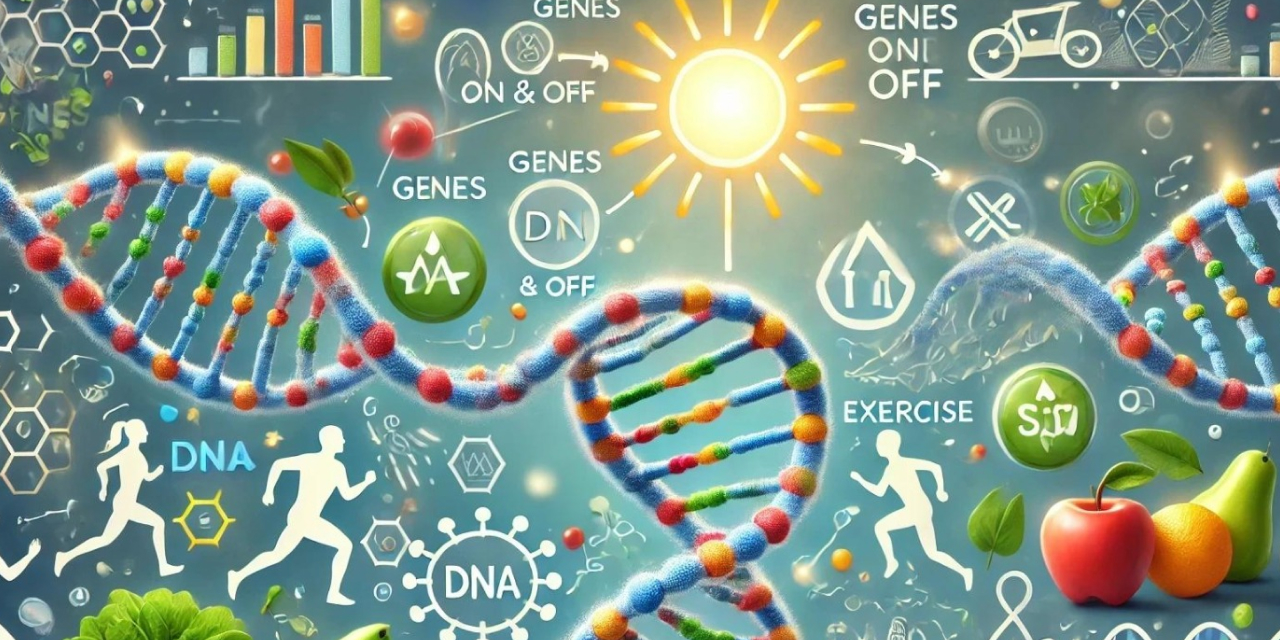
Epigenetics describes how lifestyle turns genes up or down without changing the genes themselves, and our article on how epigenetics and weight loss are connected explains the science in plain language. Testing results sit alongside your symptoms, bloodwork, and body composition, so the plan reflects your biology rather than a template.
| Menopause is a transition, not a verdict. With honest evidence, the right support, and a plan built on your own measurements, you can go through the menopause with confidence rather than guesswork. Book your consultation with Harley Weight Loss Clinic UK today. Consultations are with a qualified clinician, and individual results vary. |
FAQs
1. What is the difference between perimenopause and menopause?
Perimenopause is the transition phase before periods stop, when hormone changes begin, and symptoms often start, while menopause is confirmed after twelve months without a period. Whether you are in perimenopause or menopause, the same treatment conversation applies, so do not wait for a milestone to seek help.
2. Is a holistic approach an alternative to HRT?
No, and it should never be framed that way. HRT remains the most effective treatment for hot flushes according to NICE, and holistic care can include it. The holistic part means surrounding whatever treatment for menopause you choose with lifestyle, psychological, and nutritional support that treatment alone cannot provide.
3. How long do lifestyle changes take to make a difference?
Weeks to months, depending on the change. Sleep routines and trigger management may help within weeks, while strength, body composition, and metabolic improvements typically build over two to three months of consistency. This is why we review progress on that rhythm rather than judging any single week.
4. Can I take herbal remedies alongside HRT?
Only after discussing it with your clinician, because some herbal products can interact with HRT and other prescription medicines. Bring everything you take, including supplements, to your consultation. A clinician can then help you keep what is safe and useful, and drop what is neither.
5. Why am I gaining weight during menopause when nothing else changed?
Because your biology changed. Falling oestrogen shifts fat storage toward the middle, muscle becomes harder to maintain, and metabolism gradually slows. The same habits genuinely can produce different results. That is not failure; it is physiology, and it responds to a plan designed for this stage.
6. When should I see a clinician about menopause symptoms?
Whenever symptoms affect your quality of life, sleep, mood, or work, and certainly before starting or stopping any prescribed treatment, hormonal or herbal. There is no threshold of suffering you must reach first. Earlier conversations mean more treatment options, better information, and a plan matched to you.