What Should You Know About Early and Premature Menopause?
Menopause before the age of 45 is called early menopause, and menopause before age 40 is called premature menopause. Both raise the long-term risk of heart disease, bone loss, and other health problems, so early diagnosis, hormone therapy where suitable, and clinician-led lifestyle support matter greatly.
What is the difference between early menopause and premature menopause?
Early menopause means your periods stop permanently between the ages of 40 and 45, while premature menopause happens before age 40. Natural menopause happens later for most women. Doctors use the term premature ovarian insufficiency when the ovaries stop working before the age of 40.
Menopause is when a woman permanently stops having periods. Clinically, menopause is defined as 12 consecutive months without one. Perimenopause, the stage of menopause when hormone levels first begin to fluctuate, can start several years before menopause itself, and this time leading up to menopause often brings the first symptoms.
Both early menopause and premature ovarian insufficiency, usually shortened to POI, are identified with the same clinical assessment and blood tests; the difference between the terms is the age cutoff. Doctors prefer the word insufficiency for the under-40 group because the ovaries have not always stopped completely; in a small number of women, they still work intermittently.
Estimates of how common an earlier menopause is vary between sources, and we flag that openly. A 2019 meta-analysis in Climacteric that pooled 31 studies reported that premature menopause affects 3.7% of women worldwide and early menopause 12.2%. According to The Menopause Society, formerly the North American Menopause Society, about 3 in 100 women reach this point before 40.
How the three types of menopause compare
| Type | Age at final period | How common | What it means in practice |
|---|---|---|---|
| Premature menopause (POI) | Before 40 | 3.7% worldwide in pooled research; about 3 in 100 women in clinical guidance | Needs specialist assessment; hormone treatment is usually advised for long-term protection |
| Early menopause | 40 to 44 | 12.2% worldwide in the same pooled research | Hormone treatment is usually recommended until at least the natural age |
| Natural menopause | 45 to 55 | The majority of women; women with natural menopause at 50 to 51 are the usual comparison group in studies | Managed on symptoms and individual risk |
What are the causes of early and premature menopause?
Many cases have no clear cause. Known causes of premature or early menopause include a family history of early menopause, autoimmune conditions, chromosome differences, surgery to remove the ovaries, chemotherapy, and radiotherapy. Smoking, starting periods very young, and being underweight are additional risk factors for early menopause.
The NHS lists genetics, medical treatments, and surgery among the main triggers. The risk of early menopause is higher if your mother or sister went through menopause earlier than usual, so it helps to know your family history before any consultation.
Menopause that occurs after surgery to remove both ovaries is immediate, and treatment-related menopause can occur at any adult age. Surgical menopause is one form of premature or early menopause with a clear cause; for many other women, no cause is ever found. Early or premature menopause might also be the first sign of an underlying condition, which is why proper testing matters more than guesswork.
What are the symptoms of early or premature menopause?
Irregular or missed periods before the age of 45 are the main sign. Other menopause symptoms include hot flushes, night sweats, poor sleep, low mood, anxiety, vaginal dryness, reduced sex drive, and problems with memory or concentration. The symptoms of menopause look the same whatever your age.
The most common first symptom of early menopause is a change in your periods, either in timing or in flow. Hot flushes and night sweats are the changes most often associated with menopause, but the experience of menopause can vary widely from woman to woman.
Because these symptoms overlap with thyroid problems, stress, and other conditions, hormone blood tests through a diagnostics service help confirm what is actually happening before any treatment decision is made.
Women who experience early menopause face the same day-to-day symptoms, but for more years of their life, and women who experience premature changes before 40 often notice them more abruptly.
What are the long-term health risks related to early or premature menopause?
Lower oestrogen for more years is associated with higher long-term risks of heart disease, osteoporosis, fractures, and earlier death. Large studies link premature or early menopause with cardiovascular events before age 60 and with lower bone mineral density, which is why early treatment and monitoring matter.
The strongest heart evidence comes from the InterLACE project, which pooled individual data on age at natural menopause and risk of incident cardiovascular disease. This 2019 analysis in The Lancet Public Health covered 15 studies and 301,438 women across five countries:
- Women whose menopause came before 40 were 55% more likely, and women who went through early menopause were 30% more likely, to have a first non-fatal cardiovascular event before age 60 than women who had gone through natural menopause at 50 to 51.
- The association between early menopause and heart disease weakened after age 70, which suggests the added risk is concentrated in midlife.
Lower bone mineral density is also associated with early menopause. A 34-year prospective study of 390 Swedish women, published in BJOG in 2012, followed participants from age 48 and examined the effect of early menopause on bone mineral density in later life.
By age 77, osteoporosis affected 56% of women with early menopause compared to women whose menopause came at 47 or later, where the figure was 30%. Fragility fractures, meaning breaks from minor falls, affected 44.3% versus 30.7%, and mortality over the follow-up was 52.4% versus 35.2%.
Untreated early menopause can cause problems that only appear years later, so women who experience menopause before age 45 should ask about bone and heart protection early rather than waiting for symptoms.
The evidence at a glance
| Risk area | Study | Who was studied | Key finding |
|---|---|---|---|
| Heart disease | Pooled analysis, The Lancet Public Health, 2019 | 301,438 women from 15 studies in five countries | 55% higher risk of a first non-fatal cardiovascular event before age 60 where menopause came before 40; 30% higher where it came between 40 and 44 |
| Osteoporosis and fracture | Prospective cohort, BJOG, 2012 | 390 Swedish women followed for 34 years from age 48 | Osteoporosis at 77 in 56% versus 30%; fragility fractures in 44.3% versus 30.7% where menopause came before 47 |
| Mortality | Same BJOG cohort, 2012 | As above | Deaths during follow-up in 52.4% versus 35.2% |
If your periods have changed before the age of 45, do not wait to seek advice. Harley Weight Loss Clinic can arrange hormone blood testing through our diagnostics service and build a plan around your history. Every consultation is with a qualified clinician, and individual results vary.
What is the treatment for early or premature menopause?
Hormone replacement therapy or the combined contraceptive pill is the usual treatment for premature and early menopause, continued at least until the age of natural menopause, which is around 51. Treatment protects bones and the heart as well as easing symptoms. A qualified clinician should guide every plan.
The NHS recommends hormone treatment for women under 45 because of the added bone and heart risks, unless there is a medical reason it cannot be used, for example after certain cancers. A 2025 review in the Cleveland Clinic Journal of Medicine makes two further points. First, findings about hormone therapy for menopause at the usual age should not be applied unchanged to younger women, whose situation is different.
Second, women treating early menopause or POI retain a 5 to 10 percent chance of spontaneous pregnancy, so fertility planning belongs in the conversation. Women who go through premature or early menopause are usually advised to continue treatment for more years than average, precisely because protection is the goal, not only symptom relief. Weight changes often follow hormonal change too, and structured, holistic menopause treatment addresses sleep, mood, weight, and bone health together rather than one symptom at a time.
How can genetic and epigenetic testing personalise early menopause care?
Genes influence when menopause arrives and how the body responds to falling oestrogen, so testing can make care more personal. At Harley Weight Loss Clinic, genetic and epigenetic insights inform personalised wellness and supplementation plans, shaped with a qualified clinician around your history, symptoms, and goals.
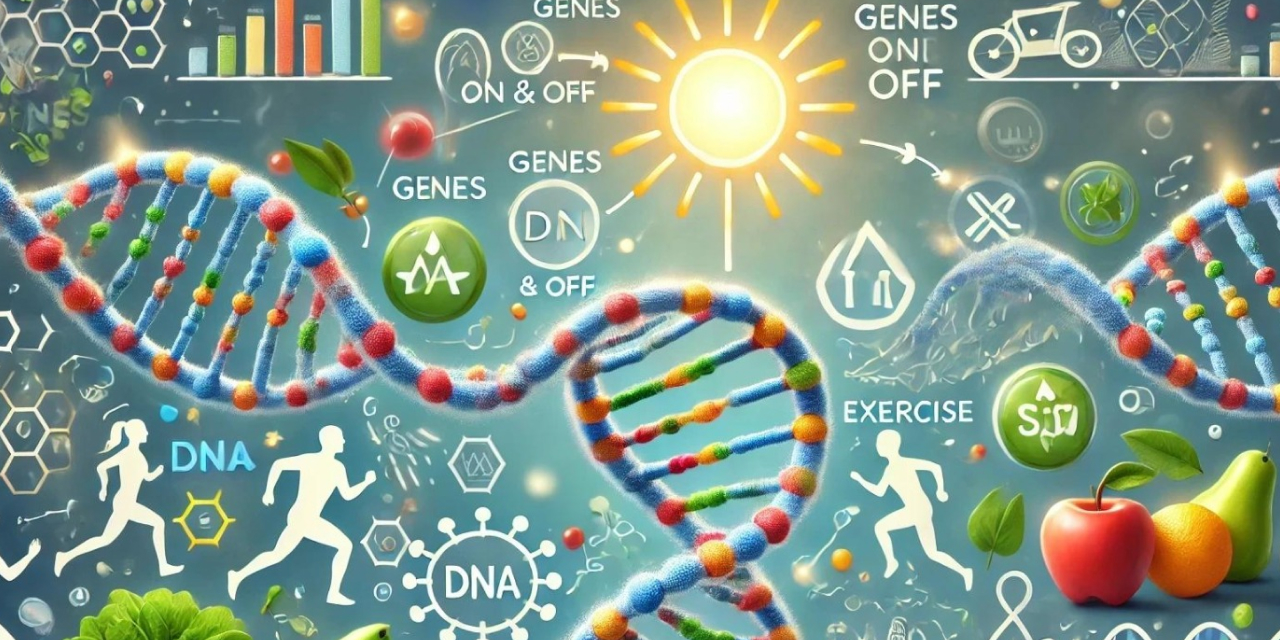
Epigenetics describes chemical switches that turn genes up or down in response to lifestyle, without changing the genes themselves. Our article on how epigenetics and weight loss are connected explains the science in plain language.
In practice at the clinic, test results sit alongside hormone blood tests, family history, and symptoms, so advice on nutrition, movement, and supplements reflects your biology rather than a generic checklist.
How can you protect your long-term health after early menopause?
Alongside medical treatment, regular weight-bearing exercise, a balanced diet with enough calcium, not smoking, good sleep, and healthy body composition all protect your heart and bones after early menopause. Small, sustainable daily habits protect long-term health better than short-lived overhauls, so build changes you can keep.
Women who go through menopause early spend more years with low oestrogen, which is exactly why everyday routines carry so much weight. Nutrients such as vitamin D, magnesium and omega-3 support bone and heart health, and our next guide examines which supplements actually matter during menopause.
The daily habits that protect the heart, including sleep, movement, and not smoking, work the same way after an early menopause. Maintaining muscle and healthy body composition also matters, because oestrogen supports both muscle and bone, and these needs continue long after the transition to menopause.
Sustainability is the theme Harley clinicians return to. Speaking on FUBAR Radio’s What The Health podcast in September 2026, Dr. Saima Ajaz, hepatologist, lifestyle medicine physician, and Medical Director of the Harley Street Longevity Club, discussed how lasting health change comes from adapting the food you love rather than giving it up, and how genetics and lifestyle act together on long-term risk. The same principle applies here: menopause is a natural part of life, but when it arrives early, it deserves prompt, structured, and realistic support that you can actually sustain.
Book a consultation with Harley Weight Loss Clinic to discuss early menopause care, from hormone treatment to nutrition and exercise support. Contact the clinic here. All consultations are with a qualified clinician, and individual results vary.
FAQs
1. Is it normal to experience menopause at 45 years old?
Yes. Menopause at age 45 sits at the early edge of the normal range, which runs from roughly 45 to 55. Doctors only classify menopause as early when it arrives before 45. Even so, it is worth discussing symptoms, bone health, and heart health with your clinician.
2. Is menopause considered a long-term health condition?
Menopause itself is a natural life stage, not a disease. However, the years after menopause bring lasting changes to bones, heart, and metabolism, and early menopause increases those long-term risks. Health services increasingly treat menopause care as ongoing, long-term support rather than a short episode.
3. Is early menopause good or bad for your health?
Early menopause is linked with poorer long-term health rather than benefit. Research associates it with higher risks of heart disease, osteoporosis, fracture, and earlier death, mainly because oestrogen falls sooner. With hormone therapy where suitable and healthy routines, women can reduce much of this added risk.
4. Can early menopause affect fertility?
Yes. Fertility falls sharply once periods stop, although premature ovarian insufficiency is not always absolute. Reviews report a 5 to 10 percent chance of spontaneous pregnancy in POI. Women who wish to conceive after an early diagnosis should ask for referral to a fertility specialist promptly.
5. What treatments are available for premature menopause, including hormone therapy?
Options include hormone replacement therapy, the combined contraceptive pill, and targeted support for sleep, mood, and bone health. Clinicians usually advise hormone treatment until around age 51 unless there is a medical reason not to, alongside regular reviews, weight-bearing exercise, and good everyday nutrition.